Secrets to Selling Your Home Fast in 2026
19 April 2026
Let’s be honest—selling a house can feel like a marathon where the finish line keeps moving. You’re ready for the next chapter, but your home is just sitting there, lingering on the market. What if you could turn that marathon into a sprint? By 2026, the real estate game will have evolved, but the core principles of a fast, profitable sale will remain, supercharged by new trends and technologies. Forget the old, generic advice. We’re diving deep into the real secrets—the actionable, nuanced strategies that will make your home the one that buyers can’t ignore. Think of it not just as selling a property, but as staging an irresistible experience and telling a compelling story in a marketplace that’s more discerning than ever.

Beyond Curb Appeal: Crafting an Unforgettable First Digital Impression
You’ve heard of curb appeal, right? That critical first glance as a buyer drives up. Well, in 2026, your digital curb appeal is the new front lawn. Before a single person steps foot in your home, they will have taken a 3D virtual tour, scrutinized high-definition photos, and maybe even experienced it via augmented reality. Your listing’s online debut isn’t just a first impression; it’s the only impression for most potential buyers. If you stumble here, you’ve lost the race before the starting pistol fires.So, what does this mean for you? Professional marketing isn’t a luxury; it’s the price of admission. This goes far beyond a few nice photos with a smartphone. We’re talking about cinematic video tours with smooth transitions, professional twilight shots that make your home look magical, and detailed floor plans that allow buyers to imagine their life there. In 2026, consider investing in matterport tours or similar 3D technology as standard practice. This allows out-of-town buyers, who will be a significant portion of the market, to truly “walk through” your home on their schedule. It’s about removing barriers to entry and creating a sense of familiarity before the physical visit. Your home needs to look not just clean, but curated for a digital-savvy audience.

The 2026 Buyer’s Mindset: What They Truly Value (It’s Not Just Stainless Steel)
To sell fast, you need to think like a buyer. And the 2026 buyer is a different breed. They’ve lived through economic shifts, technological revolutions, and a heightened awareness of sustainability. They’re not just buying square footage; they’re buying a lifestyle, efficiency, and peace of mind. Understanding this mindset is your secret weapon.First, energy efficiency and sustainability have moved from “nice-to-have” to “must-have.” A home with modern, efficient HVAC, superior insulation, smart thermostats, and solar-ready infrastructure speaks directly to the desire for lower utility bills and a smaller carbon footprint. It’s a long-term value proposition you can literally bank on. Second, flexibility is king. The “home office” is now a permanent fixture, but buyers also look for multi-functional spaces—a nook that can be a gym, a basement that can be a hobby room, a bedroom that can double as a study. Show them the potential. Third, low-maintenance living is a siren song. Busy professionals don’t want to spend every weekend on upkeep. Updated, durable materials (think quartz countertops, vinyl plank flooring, composite decking) signal a home that won’t be a money pit.
Your job is to highlight these features relentlessly. Don’t just say “new roof.” Say “new energy-efficient roof with a 30-year warranty, reducing insurance costs and providing decades of worry-free protection.” You’re selling benefits, not features.

The Pricing Paradox: Why "Testing the Market" is Your Biggest Enemy
Here’s the hard truth that many sellers struggle with: The first two weeks on the market are the most important. This is when you garner the most attention from serious buyers and agents. Price your home too high, and you miss this golden window. The property becomes “stale,” and buyers start wondering, “What’s wrong with it?” You’ll end up chasing the market down with price reductions, a clear signal of desperation.In 2026, with data more transparent than ever, buyers and their agents will know exactly what your home is worth. The secret isn’t to aim for the moon; it’s to price with surgical precision. This requires a deep, nuanced comparative market analysis (CMA) from a top agent. Look at not just what sold, but how fast it sold and with what terms. A home priced 1-3% below its perceived peak market value can create a feeding frenzy—multiple offers that often bid the price above your original target. It’s a psychological masterstroke. Think of it like an auction: a lower starting bid attracts more bidders, and competitive dynamics take over. Do you want a slow, painful negotiation with one buyer, or a fast, competitive situation with several? The choice is clear.
Staging as Storytelling: Making Buyers Fall in Love
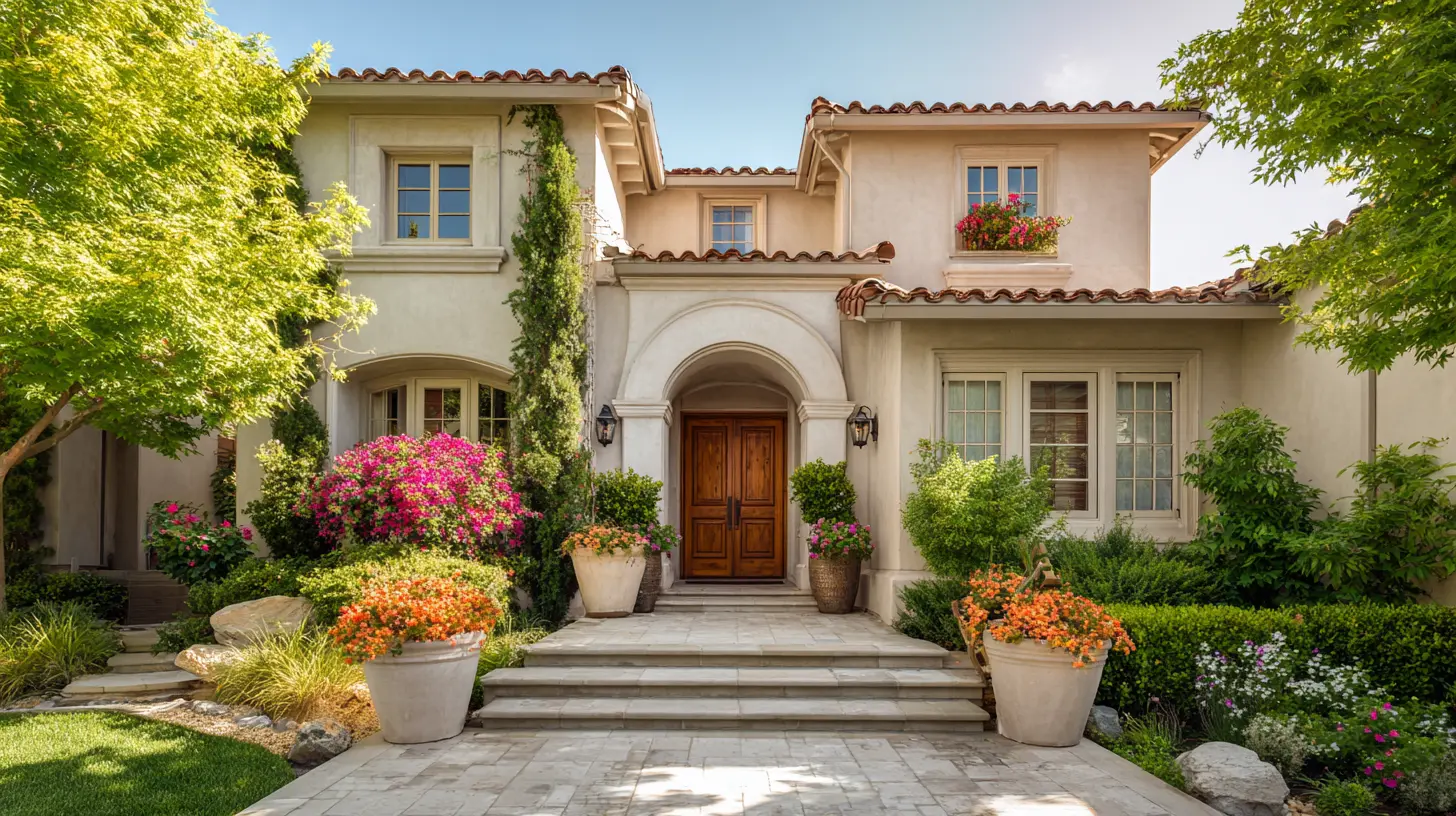
Decluttering and depersonalizing are the basics. By 2026, staging is about narrative architecture. You are not showing a house; you are staging a vision of a desirable future. Every room should tell a part of a story about the life one could lead there. Is your sunny breakfast nook the perfect spot for quiet morning coffee? Set the table with a beautiful mug and a book. Is the patio ideal for summer gatherings? Stage it with comfortable outdoor furniture and subtle, ambient lighting for evening appeal.This goes beyond furniture. It’s about sensory marketing. During showings, ensure the home smells clean and neutral (fresh linen, not overpowering perfume). Let in natural light. Play soft, instrumental music at a low volume. Ensure the home is at a comfortable temperature. You want buyers to feel an emotional pull, a sense of “this is it” before they even analyze the closet space. A professional stager in 2026 will understand how to optimize space for the hybrid-work lifestyle and create those Instagram-worthy vignettes that buyers remember. Remember, people buy on emotion and justify with logic. Your staging provides the emotion.
Mastering the Modern Marketing Machine
Listing your home on the MLS and putting a sign in the yard is the bare minimum. To sell fast in 2026, you need a multi-channel, targeted marketing blitz. Your agent should function as a campaign manager.This includes:
* Social Media Advertising: Highly targeted ads on platforms like Facebook, Instagram, and even LinkedIn, aimed at specific demographics, income levels, and even life events (e.g., “newly promoted professionals within 20 miles”).
* Professional Content: A well-written blog post or video about your neighborhood’s amenities, not just your home. Position your property as part of a vibrant community.
* Agent-to-Agent Networking: A premiere showing event for top real estate agents in the area. They are your foot soldiers; if they love it, they’ll sell it to their qualified buyers.
* Leveraging Data: Using insights to know when to launch the listing (hint: certain days of the week generate more traction) and how to adjust strategy in real-time based on digital engagement metrics.
Negotiation in the New Era: Terms Are the New Price
When offers start rolling in (because you’ve executed the steps above), your focus shifts. In a fast sale, the highest number isn’t always the best offer. The terms of the sale can be worth their weight in gold. A clean offer from a well-qualified, cash buyer who can close in 15 days with no contingencies might be far superior to a higher offer from a buyer with a shaky financing contingency and a request for a 60-day close.Be prepared to evaluate:
* Financing Strength: A pre-approval letter is good; a underwritten approval is gold.
* Contingencies: How many are there? Appraisal, inspection, financing, sale of another home? Each one is a potential off-ramp for the deal.
* Closing Timeline: Does it align with your needs for a fast sale?
* Earnest Money Deposit: A larger deposit shows serious commitment.
Your ability to navigate these terms calmly and strategically, with the guidance of your agent, is the final secret to not just selling fast, but selling well.
The Final Walkthrough: Your Blueprint for Speed
Selling your home fast in 2026 isn’t about luck or magic. It’s a deliberate, strategic process that aligns your property with the future of the market. It starts with a flawless digital presentation, is fueled by an empathetic understanding of the modern buyer, is ignited by psychologically astute pricing, and is sealed through masterful staging and marketing. It’s about presenting a turn-key vision of a efficient, flexible, and desirable lifestyle.The market will always have its rhythms, but these principles are your anchor. By embracing them, you move from being a passive seller hoping for a buyer to an active director of your own successful sale. So, are you ready to not just list your home, but to launch it? The secrets are now in your hands. Your fast, successful sale in 2026 starts with the decision to act on them today.
all images in this post were generated using AI tools
Category:
Selling A HomeAuthor:

Lydia Hodge
Discussion
rate this article
2 comments
Selah McDougal
In a rapidly evolving market, successful home selling hinges on understanding buyer preferences, leveraging digital marketing, and staging effectively. Prioritize a competitive pricing strategy and responsive communication to foster trust and create a compelling narrative around your property's unique features.
April 22, 2026 at 11:20 AM
Lydia Hodge
Great points! Understanding buyers and effective communication really make a difference. Thanks for sharing these insights.
Zoey Morgan
Great insights in this article! The tips on staging and pricing are especially helpful. Looking forward to applying these strategies to my home sale. Thanks!
April 21, 2026 at 4:24 AM
Lydia Hodge
Thank you for your kind words! I'm glad you found the tips helpful. Best of luck with your home sale!