How HOAs Regulate Short-Term Rental Properties
9 May 2026
Short-term rentals have gained immense popularity in recent years, largely due to platforms like Airbnb and Vrbo. They offer homeowners a way to earn extra income while providing travelers with unique lodging options. However, if you live in a neighborhood governed by a Homeowners Association (HOA), you may not have the freedom to turn your property into a short-term rental without restrictions.
HOAs play a crucial role in maintaining community standards, and one of the growing concerns they address is the regulation of short-term rental properties. If you’re considering renting out your home for short stays, understanding how HOAs regulate these rentals is essential.

What Are Short-Term Rentals?
Short-term rentals (STRs) typically refer to properties rented out for a few days to a few months—usually less than 30 days. These rentals are popular among tourists, business travelers, and remote workers looking for temporary stays in residential areas. While they can generate significant income for property owners, they can also create issues for communities, which is why HOAs often step in to regulate them.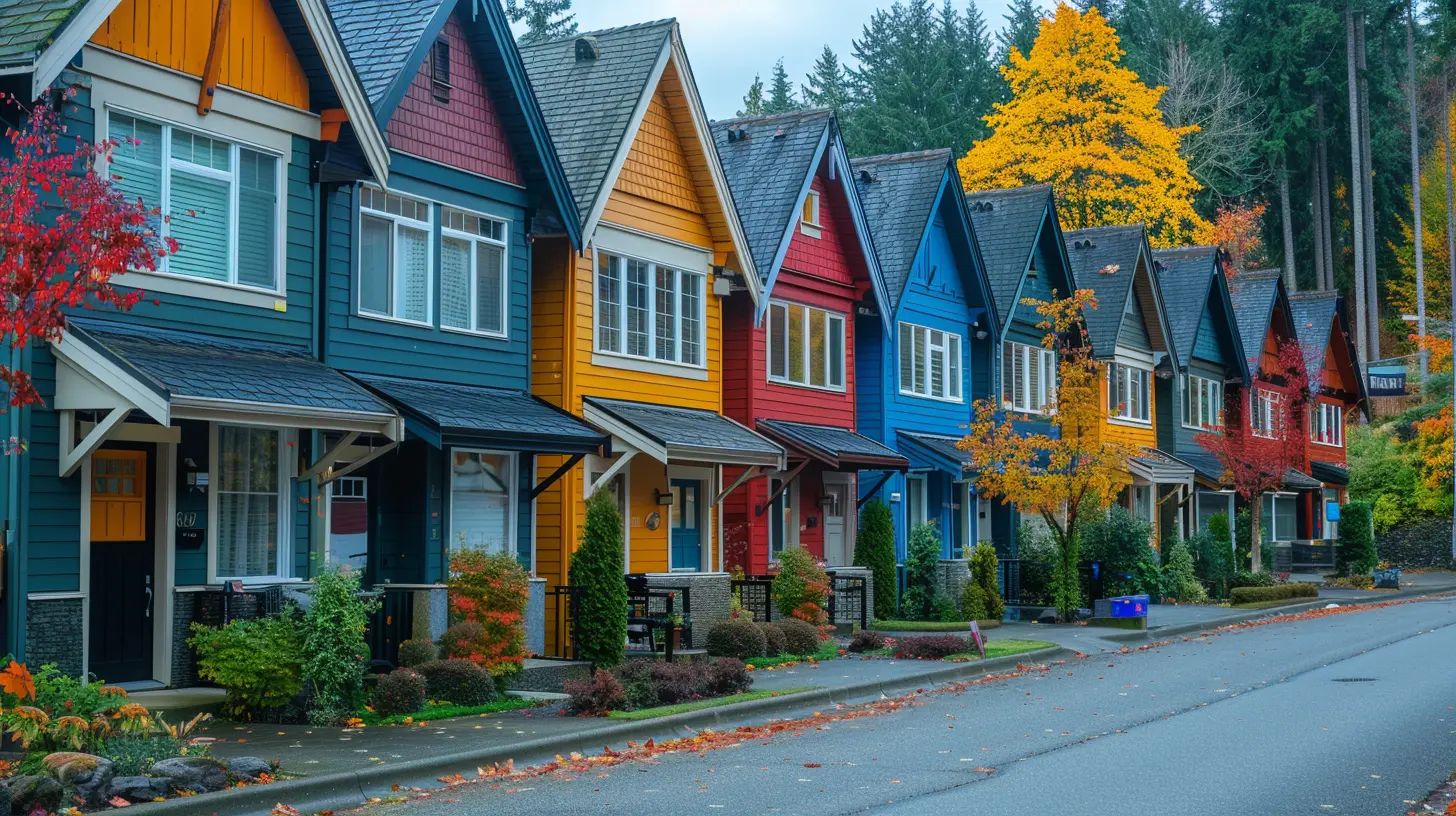
Why Do HOAs Regulate Short-Term Rentals?
At first glance, short-term rentals seem harmless. After all, it’s your property—shouldn't you decide how to use it? While that’s a valid point, HOAs have a responsibility to maintain the community’s integrity, property values, and overall quality of life. Let’s take a look at the common reasons HOAs regulate short-term rentals:1. Preserving Community Stability
Frequent turnover of short-term renters can disrupt the sense of community in a neighborhood. Residents may feel uneasy when unfamiliar faces come and go. HOAs aim to maintain stability by limiting or banning short-term rentals altogether.2. Minimizing Noise and Disturbances
Vacationers may not follow the same community rules as long-term residents. Late-night gatherings, loud music, or excessive foot traffic can create nuisances for neighbors. HOAs regulate STRs to maintain peace and quiet.3. Safety and Security Concerns
Regular homeowners tend to know their neighbors, but with short-term rentals, there's a revolving door of strangers. This can raise security concerns, making some residents feel unsafe. HOAs impose rules to mitigate these risks.4. Protecting Property Values
A high number of short-term rentals in a neighborhood might deter potential homebuyers. They may worry about noise, safety, or declining property values. HOAs regulate STRs to ensure the neighborhood remains attractive to buyers and investors.5. Preventing Excessive Wear and Tear
More foot traffic means more wear and tear on shared amenities like pools, clubhouses, and parking lots. HOAs, responsible for maintaining these facilities, often implement short-term rental restrictions to prevent excessive strain on community resources.
How Do HOAs Regulate Short-Term Rentals?
HOAs have several methods for controlling or restricting short-term rentals in their communities. Regulations vary depending on the HOA's governing documents, local laws, and homeowner preferences. Let’s break down some of the most common ways HOAs manage STRs.1. Outright Bans on Short-Term Rentals
Some HOAs completely prohibit short-term rentals. Their Covenants, Conditions, and Restrictions (CC&Rs) clearly state that homes must be used for residential purposes only and cannot be rented out for fewer than a specified number of days, often 30 or more.2. Minimum Rental Period Rules
Instead of outright bans, some HOAs enforce minimum rental periods. For example, rentals may be required to last at least 30, 60, or even 90 days. This discourages STRs while still allowing homeowners to lease their properties for longer stays.3. Permit and Approval Requirements
In some cases, homeowners must seek HOA approval before listing their property as a short-term rental. This may involve submitting an application, paying fees, and agreeing to certain conditions, such as guest limits or noise restrictions.4. Guest Registration and Identification
To enhance security and accountability, some HOAs require homeowners to provide guest details, including names, contact information, and length of stay. This helps keep track of who is staying in the community and ensures compliance with established rules.5. Fines and Penalties for Violations
If a homeowner violates short-term rental restrictions, they may face fines, suspension of community privileges, or legal action. HOAs often enforce these penalties to discourage non-compliance and protect the neighborhood’s well-being.6. Occupancy Limits and Guest Behavior Rules
HOAs may regulate the number of occupants allowed in a short-term rental to prevent overcrowding. Additionally, they may enforce quiet hours, parking restrictions, and trash disposal rules to maintain order.7. Rental Caps
Some HOAs place a cap on the number of homes allowed to operate as short-term rentals. Once this limit is reached, no additional homeowners can obtain approval for STRs, ensuring that the majority of homes remain owner-occupied.8. Special Short-Term Rental Assessments
To offset the increased maintenance costs associated with STRs, some HOAs impose additional fees on homeowners who rent out their properties short-term. These fees help cover wear and tear on shared amenities and increased security needs.
Can HOAs Change Their Short-Term Rental Rules?
Yes! HOAs can amend their CC&Rs to implement new short-term rental restrictions. However, changing HOA rules typically requires a vote from homeowners, and the process may vary based on the HOA’s governing documents.If you’re in favor of or against certain short-term rental regulations in your community, it’s important to stay active in HOA meetings and voice your opinion. Understanding the rule-making process will help you navigate any proposed changes effectively.
What Can Homeowners Do If They Disagree with HOA STR Regulations?
If you find yourself at odds with your HOA’s short-term rental rules, don’t panic—there are several paths you can take:- Review Governing Documents: Make sure the HOA is legally enforcing its restrictions according to the CC&Rs and local laws.
- Request an Exception: Some HOAs allow variances on a case-by-case basis. You can formally request an exception to the rules.
- Gather Support from Neighbors: If enough homeowners disagree with the regulations, you may be able to push for a vote to amend the rules.
- Seek Legal Advice: If you believe the HOA’s rules are unfair or improperly enforced, consulting a real estate attorney may offer clarity and solutions.
Final Thoughts
Short-term rentals can be a great source of income, but they also come with challenges—especially in HOA-governed communities. While some HOAs fully embrace short-term rentals, others impose strict regulations to protect property values, maintain security, and preserve neighborhood harmony.If you’re considering renting out your home as a short-term rental, always check your HOA’s rules first. Understanding and complying with HOA regulations can save you from fines, disputes, and unnecessary headaches. At the end of the day, finding a balance between profitability and community well-being is key!
all images in this post were generated using AI tools
Category:
Hoa GuidelinesAuthor:

Lydia Hodge
Discussion
rate this article
2 comments
Nix McCray
HOAs and short-term rentals: a match made in housing heaven or a recipe for chaos?
May 23, 2026 at 2:31 AM
Lydia Hodge
It's a complex balance. While HOAs can provide structure, they can also stifle flexibility. The outcome really depends on the community's needs and values.
Upton McClintock
In the dance of rental dreams, HOAs weave their rules, balancing freedom and order. They guard the peace of neighborhoods, ensuring that transient stays do not disrupt the harmony of home.
May 21, 2026 at 4:24 AM
Lydia Hodge
That's an interesting perspective. HOAs do play a crucial role in maintaining neighborhood stability while addressing the rise of short term rentals. It's a delicate balance for sure.