How HOAs Handle Noise Complaints in Residential Areas
26 June 2026
Homeowners Associations (HOAs) can be a blessing or a curse—depending on who you ask. If your neighbor’s dog howls at the moon like it’s auditioning for a werewolf movie, you might appreciate their enforcement of noise rules. But if you’re the one who enjoys late-night karaoke sessions, you might see them as the fun police.
So, how exactly do HOAs handle noise complaints in residential areas? Let’s break it down, step by step, with a dash of humor.

Understanding Noise Complaints in HOA Communities
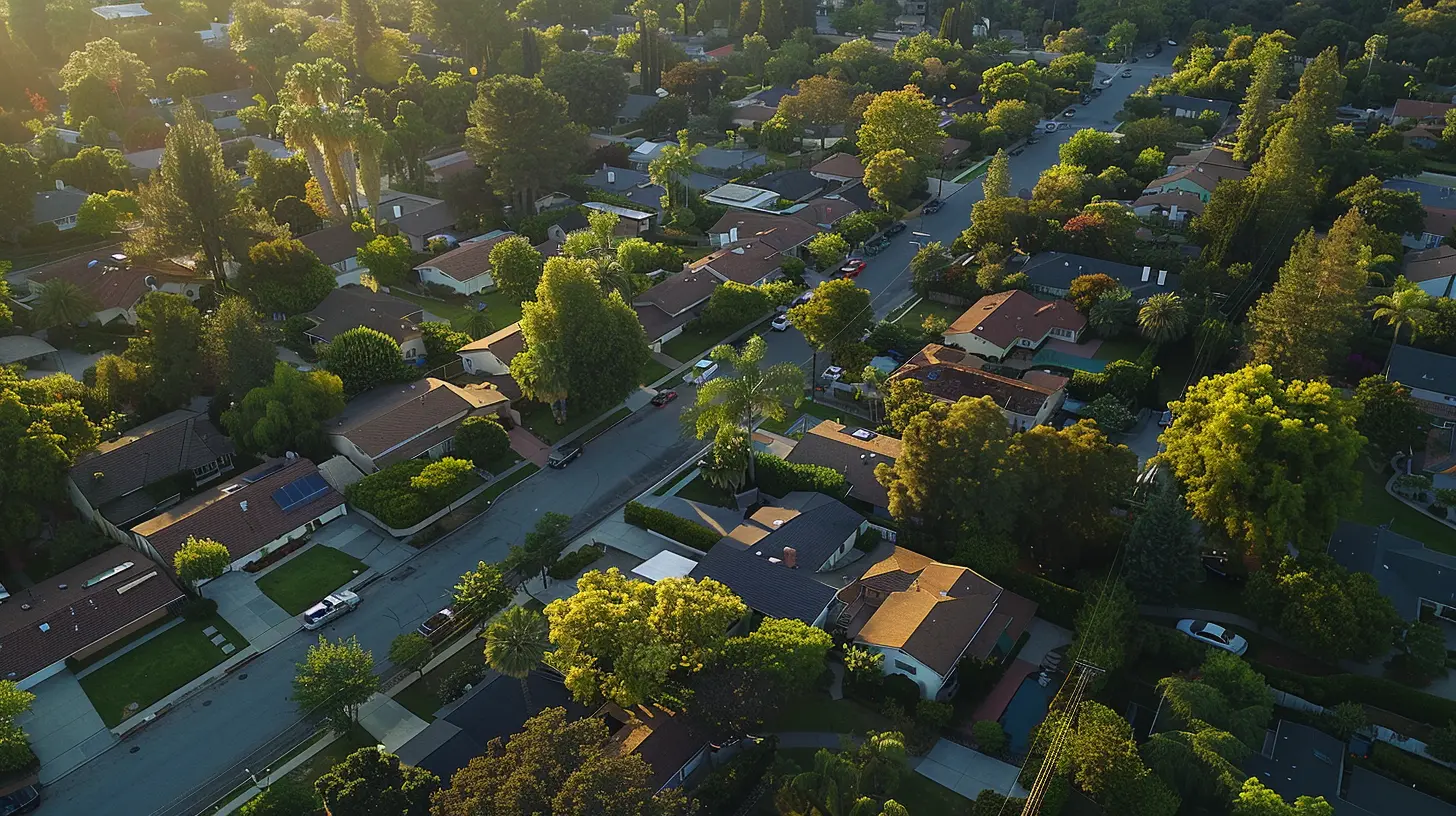
Living in an HOA-governed community often comes with rules designed to ensure everyone coexists peacefully. One of the most common issues? Noise complaints. From midnight drum solos to early-morning lawn mowing, noise disputes can turn even the friendliest neighbors into sworn enemies.HOAs set noise regulations for a reason—they help maintain property values, keep the peace, and prevent the neighborhood from sounding like a never-ending music festival.
Common Noise Offenders in HOA Communities
Before diving into how HOAs handle these complaints, let’s identify the usual suspects:- Loud Music – We get it, your playlist is fire. But not everyone appreciates a bass drop at 2 AM.
- Barking Dogs – Fido might be cute, but his all-night barking sessions? Not so much.
- Parties & Gatherings – A weekend BBQ is great, but when it turns into a music festival, expect complaints.
- Early Morning DIY Projects – Nothing says "Good morning" like the sound of a power saw at sunrise.
- Lawn Equipment – There’s always that one neighbor who decides 6 AM is the perfect time to mow the lawn.
Now that we know the culprits, how exactly do HOAs handle noise complaints?

How HOAs Handle Noise Complaints Step by Step
1. Reviewing HOA Noise Rules & Regulations
Most HOAs have a noise policy outlined in their Covenants, Conditions, and Restrictions (CC&Rs). These rules typically specify acceptable noise levels, quiet hours, and exceptions for certain activities (like emergencies or community events).HOAs usually enforce quiet hours between 10 PM and 7 AM, though this can vary. If the HOA doesn’t have clear noise regulations, they might defer to local noise ordinances set by the city or county.
2. Encouraging Neighbor-to-Neighbor Resolution
HOAs don’t want to mediate every minor neighborly dispute. Their first recommendation? Talk to your neighbor.If your neighbor’s dog barks every morning at 5 AM, a friendly chat might solve the issue faster than filing a complaint. Many people don’t even realize they’re being noisy until someone points it out.
3. Filing a Formal HOA Noise Complaint
If a polite conversation doesn’t work, it’s time to file a formal complaint. Here's what that usually involves:- Document the noise issue – Note the time, date, and type of noise.
- Provide evidence – If possible, record the noise or take notes on the disturbances.
- Submit a written complaint – Many HOAs require written complaints to take action officially.
Some HOAs might require multiple complaints before stepping in, especially if the issue is subjective (like loud conversations).
4. HOA Investigation and Notification
Once the complaint is filed, the HOA typically:1. Investigates the claim – Some HOAs might visit to assess the noise levels.
2. Notifies the offending resident – The HOA usually sends a polite (but firm) warning letter.
3. Issues a formal notice if needed – If the noise continues, the HOA might escalate the matter.
5. Enforcement Actions & Penalties
If the noise problem persists, the HOA has several enforcement options:- Fines – Many HOAs have a system of escalating fines for repeat offenders.
- Cease-and-Desist Orders – These legally obligate the resident to stop the noise.
- Revoking Privileges – Some HOAs restrict access to community amenities for noisy residents.
- Legal Action – If all else fails, the HOA may pursue legal action, especially in extreme cases.
6. Mediation & Conflict Resolution
If the noise dispute turns into an all-out neighbor war, some HOAs offer mediation services. This neutral third-party intervention can help residents find a compromise (e.g., setting quiet hours for a musician or recommending soundproofing solutions).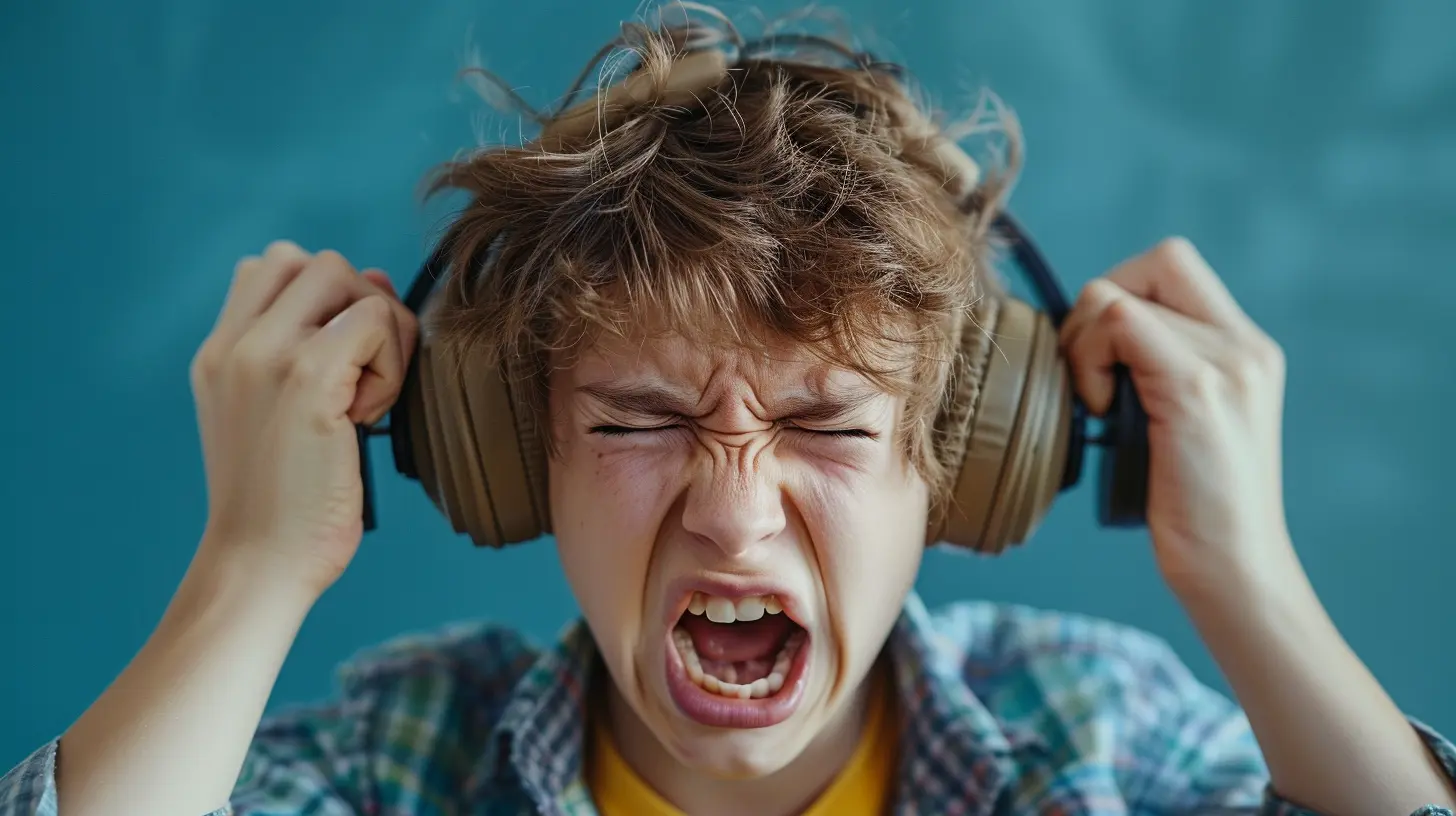
What If the HOA Doesn’t Solve the Problem?
Sometimes, HOAs don’t enforce noise rules strictly, or the offender simply ignores them. When that happens, residents have other options:- Call Local Authorities – If the noise violates local noise laws, file a complaint with the city.
- Soundproof Your Home – If outside noise is unavoidable, consider adding insulation or white noise machines.
- Take Legal Action – In extreme cases, residents can sue for “nuisance” in civil court.
Pro Tips for Handling Noise Complaints Like a Pro
1. Be Proactive – If you plan to host a party, give your neighbors a heads-up.2. Use White Noise – A white noise machine can drown out minor disturbances.
3. Invest in Soundproofing – Heavy curtains, rugs, and insulation help keep outside noise at bay.
4. Be Considerate – If you’re the noisy one, try to keep it down during quiet hours.
Conclusion
HOAs play a crucial role in maintaining harmony in residential communities, and handling noise complaints is a big part of that. While it might seem like they’re out to ruin your fun, their goal is to create a peaceful living environment for everyone.If you're on the receiving end of a noise complaint, don't panic! Just be mindful of your neighbors and adjust accordingly. And if you're the one filing a complaint, remember—communication is key before escalating the issue.
At the end of the day, a little consideration goes a long way in keeping the neighborhood drama-free. Unless, of course, you're dealing with someone who thinks they’re the next rock star… then you might need noise-canceling headphones.
all images in this post were generated using AI tools
Category:
Hoa GuidelinesAuthor:

Lydia Hodge
Discussion
rate this article
2 comments
Cruz Lynch
Great tips! Clear communication can really help neighbors enjoy peaceful living together.
August 13, 2026 at 3:07 AM
Lydia Hodge
Thanks for your feedback! Clear communication is indeed key to fostering a harmonious neighborhood.
Macey McAndrews
HOAs should prioritize clear communication and timely responses to noise complaints. It would help create a more harmonious community and ensure residents feel heard and respected.
June 27, 2026 at 5:01 AM
Lydia Hodge
I completely agree. Clear communication is essential for building trust and ensuring residents feel valued. It can make a significant difference in resolving issues effectively.