Ethical Practices for Real Estate Investors
13 February 2026
Real estate investing can be an exciting and profitable venture. But beyond making a profit, investors have a moral and social responsibility to act ethically. In an industry where competition can be fierce and money is often the driving force, ethical practices set the best investors apart.
So, what does it mean to be an ethical real estate investor? And why should you care?
Not only does ethical investing protect your reputation, but it also builds trust with clients, partners, and the community. And let’s be honest—doing the right thing simply feels good.
If you’re in the game for long-term success rather than a quick buck, let’s dive into the key ethical practices every real estate investor should follow.

1. Full Transparency in Transactions
Honesty is non-negotiable. Whether you’re selling a home, negotiating a deal, or working with tenants, transparency should be at the core of everything you do.- Disclose property defects – Don’t hide issues to make a quick sale. If there’s a leaky roof or plumbing problems, let buyers know upfront.
- Provide accurate financial details – If you're flipping a property or selling an investment, make sure the numbers you provide are accurate. Misleading financial details can destroy trust.
- Be clear with tenants – If you’re a landlord, your tenants deserve to know the terms of their lease without any sneaky clauses or surprise changes.
Remember, trust takes years to build but seconds to destroy.
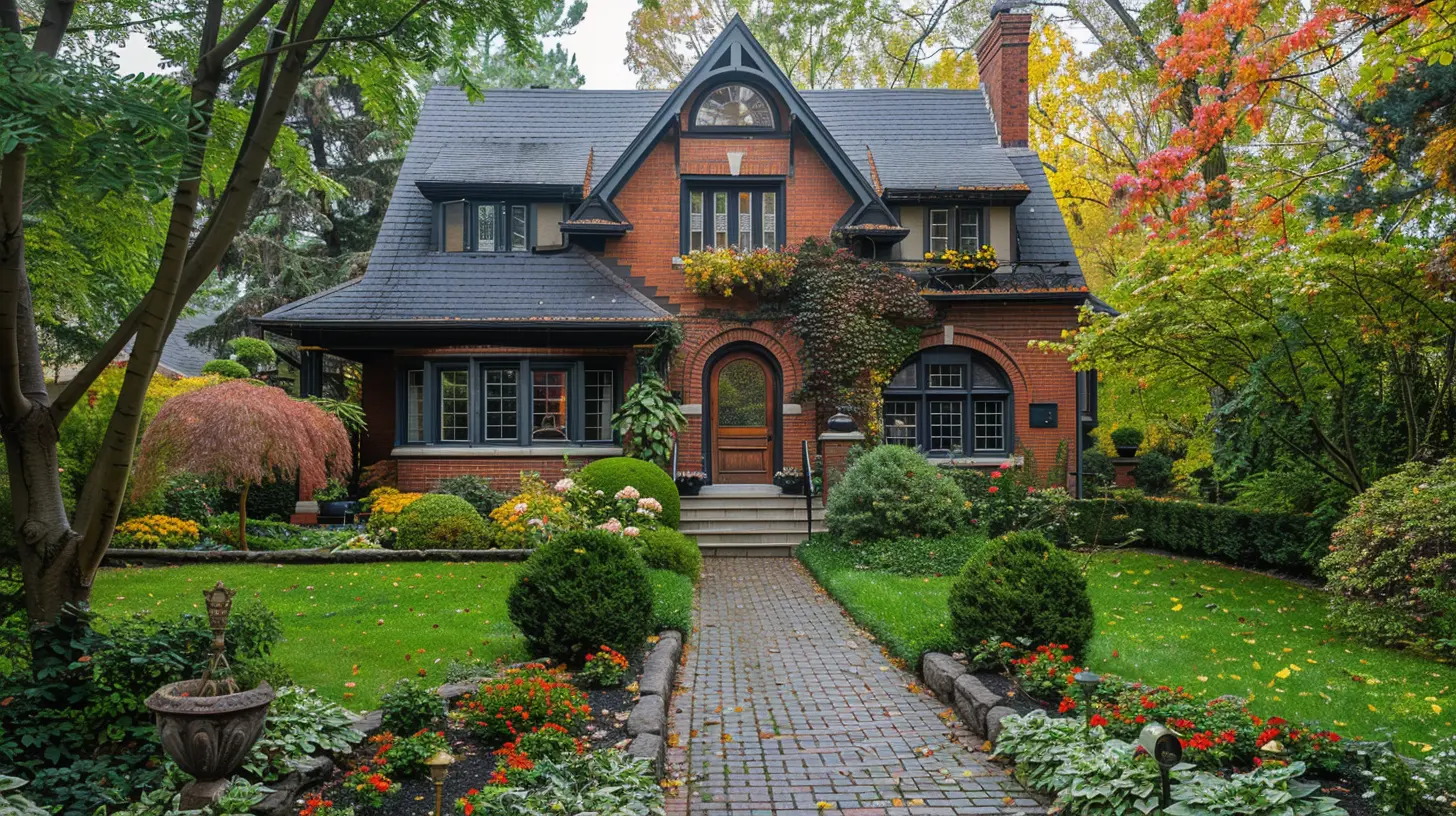
2. Fair Pricing and Negotiation
Sure, real estate is a business. But gouging prices or lowballing sellers isn’t the way to win in the long run. Ethical investors aim for fair deals where everyone walks away feeling satisfied.- Avoid price manipulation or exploiting desperate sellers.
- Offer fair market value whenever possible.
- Negotiate honestly—don’t use deceptive tactics to pressure the other party.
A win-win deal is always better than a one-sided victory.

3. Respect for Tenants’ Rights
If you're a landlord, tenants aren’t just numbers on a spreadsheet. They are real people who deserve to be treated with respect and fairness.- Maintain safe and livable conditions – No one should live in a property with broken heating, unsafe wiring, or pest infestations.
- Respect privacy – Give tenants proper notice before entering the property.
- Be reasonable with rent increases – While raising rent is sometimes necessary, extreme hikes can force tenants into financial hardship.
By treating tenants well, you not only uphold ethical standards but also build a strong reputation as a responsible landlord.

4. Avoiding Predatory Practices
Some real estate investors engage in shady practices that take advantage of vulnerable people. These tactics may bring short-term gains but often lead to long-term legal and reputational damage.- No predatory lending – Offering unfair, high-interest loans to desperate buyers is unethical and can trap them in financial ruin.
- Avoid misleading contracts – Every agreement should be clear, transparent, and fair to all parties involved.
- Don’t take advantage of distressed sellers – Beware of capitalizing on someone's misfortune just to score a cheap deal. If a family is facing foreclosure, offer solutions that genuinely help.
A good investor plays fair, even when the market is competitive.
5. Social and Environmental Responsibility
Investing in real estate isn’t just about financial gain; it’s also about contributing positively to communities and the environment.- Support sustainable building practices – Renovate properties with eco-friendly materials whenever possible.
- Invest in community development – Consider how your investments impact local neighborhoods.
- Avoid displacement – Gentrification can push out lower-income residents. If you're investing in an area, think about ways to enhance the community without harming existing residents.
Great investors don’t just take from communities; they give back.
6. Ethical Marketing Strategies
Marketing is crucial in real estate, but misleading advertisements can backfire. Stick to ethical marketing strategies by:- Providing honest listings – No exaggerated claims or fake photos.
- Avoiding bait-and-switch tactics – Be upfront about pricing, availability, and property conditions.
- Being transparent about investment opportunities – If you're raising funds from investors, ensure they’re aware of all risks involved.
Your reputation is everything in real estate—don’t compromise it with deceptive marketing.
7. Paying Fair Wages and Treating Employees Well
Whether you hire property managers, contractors, or real estate agents, treating them with respect is an ethical must.- Pay fair wages for services.
- Honor agreements with contractors.
- Provide a safe and non-toxic work environment.
Happy employees and business partners lead to smoother transactions and better long-term success.
8. Staying Within Legal Boundaries
Ethical investing means playing by the rules—no shortcuts, no shady loopholes.- Follow zoning laws and property regulations.
- Pay your taxes honestly.
- Adhere to landlord-tenant laws (e.g., no illegal evictions).
The law is non-negotiable, and cutting corners will eventually catch up with you.
9. Giving Back to the Community
Real estate investors have the power to uplift communities. Ethical investors take that responsibility seriously by:- Supporting charity initiatives connected to housing and homelessness.
- Offering affordable housing options where possible.
- Hiring locally to create jobs in the community.
Giving back isn’t just the right thing to do—it also fosters goodwill and strengthens your network.
10. Holding Yourself Accountable
At the end of the day, ethics comes down to personal responsibility. Ask yourself:- Am I treating my clients, tenants, and partners fairly?
- Would I be proud if my business practices were publicized?
- Am I maintaining integrity even when no one is watching?
Being ethical isn’t always the easiest path, but it’s the one that will sustain your success for years to come.
Final Thoughts
Ethical real estate investing isn’t just about playing it safe—it’s about building a career and reputation that stand the test of time. Being honest, fair, and community-focused won’t just make you a better investor; it will also make you a better person.The real estate industry has enough bad apples. Be the investor that people trust, respect, and want to work with. In doing so, you’ll see that ethical investing isn’t just morally right—it’s also smart business.
all images in this post were generated using AI tools
Category:
Real Estate EtiquetteAuthor:

Lydia Hodge
Discussion
rate this article
2 comments
Ellie McDonough
Sure, here it is: Ethical practices in real estate? Groundbreaking! Who knew treating people right could actually boost your bottom line? It’s about time investors swapped shady deals for transparency. So, let's raise the bar and prove that integrity can be just as profitable—if not more!
February 17, 2026 at 5:51 AM
Lydia Hodge
Thanks for your insight! It's true—integrity not only fosters trust but can also lead to sustainable success in real estate. Let's keep pushing for transparency!
Hesper McFadden
Why did the ethical real estate investor bring a ladder to the open house? Because they wanted to reach new heights in integrity! Let’s face it, folks—when the market gets shady, it’s our values that keep us grounded. Happy investing with a sprinkle of ethics!
February 13, 2026 at 3:41 AM
Lydia Hodge
Thanks for the clever comment! A strong sense of ethics truly elevates our investments and keeps the industry grounded. Happy investing!